Aarkun devlog: weapons, armour and crafting with a purpose
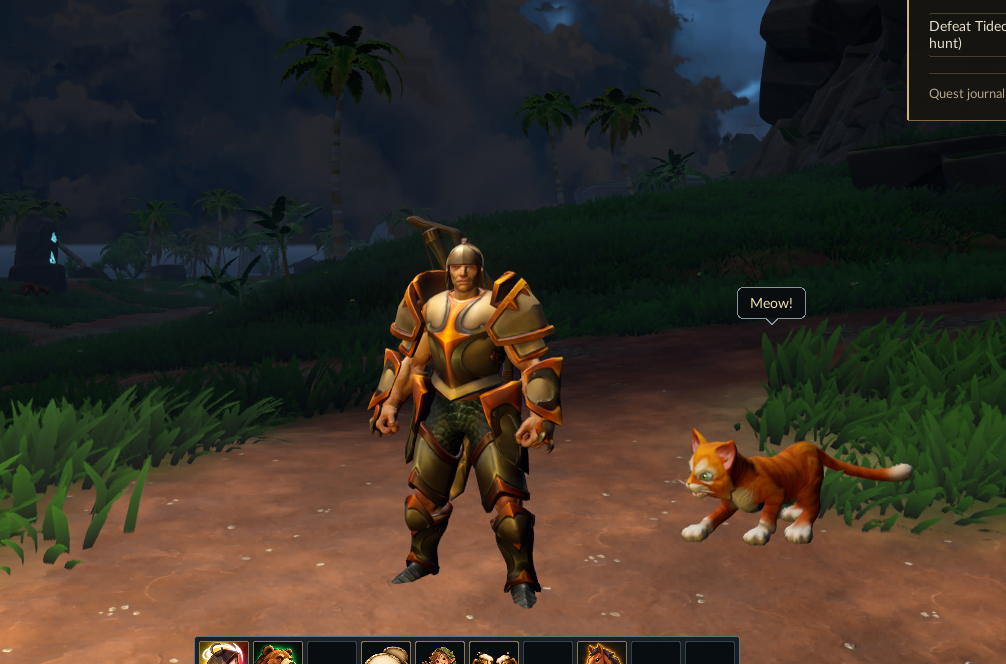
Before getting into crafting, I want to talk about the fights these items are being made for. A dagger, a sword and a maul should each give you a reason to choose them. The same goes for armour: dressing for a fight against blades should feel different from preparing to face a mage.
That is the direction behind the latest crafting work in Aarkun. I want equipment to carry a bit more of the player’s intent: what you expect to fight, which strengths you value, and which trade-offs you are willing to make.
This is a development preview. The crafting screens and upgrade effects below are current work in progress. The combat identities describe the direction we are building towards; bonuses and balance values are still being tuned. Elemental crafting is planned for a later stage.
Combat starts with what you bring
Physical damage has different forms: slashing, piercing and crushing. Armour will respond differently to those threats, with mobility and magic adding further considerations. Here is the intended role of each armour category:
| Armour | What it offers | What you give up |
|---|---|---|
| Chain mail | Good protection against slashing and piercing | Weak protection against crushing damage |
| Plate | Broad protection against physical damage | Increased magic damage taken |
| Leather | Limited physical protection, light weight and a movement-speed bonus | Less protection when a hit connects |
| Cloth | A larger movement-speed bonus | Almost no physical protection |
Chain mail and plate are part of this broader armour direction. The Bronze Footman crafting example already gives us a look at plate’s trade-offs in the interface.
The aim is to make preparation matter. Chain could be a sensible choice against slashing and piercing attacks, but much less reassuring when your opponent brings a crushing weapon. Plate helps against physical threats, yet its magic vulnerability gives you something to think about when a spellcaster joins the fight. Leather and cloth put more of their value into speed, giving players a reason to consider lighter equipment.
These are Aarkun’s gameplay rules, rather than an attempt to simulate historical armour exactly. In particular, plate taking extra magic damage is a deliberate fantasy balance choice.
A small historical detour: real plate armour was much more mobile than the familiar image of a knight stuck on his back. Well-fitted field armour used articulated plates and distributed its weight across the body. The Met notes that wearers could run, get up and mount a horse without a crane. The Met’s armour myth-busting guide
Weapons need their own personality
Alongside damage types, weapon categories will have different approaches to critical hits and damage delivery.
| Weapon category | Intended identity |
|---|---|
| Daggers | A focus on critical-hit chance and critical damage |
| Swords | Balanced weapons with increased critical-hit chance |
| Axes | Lower critical-hit chance, but powerful critical bursts |
| Hammers and mauls | Steady damage against a wide range of foes, with a small chance to stun |
Critical-hit chance determines how often those hits happen; critical damage determines how hard they land. That distinction is what separates the dagger’s emphasis on critical hits from the axe’s less frequent, heavier bursts. Swords occupy a more balanced position. Hammers and mauls favour dependable damage, with the occasional stun adding a little disruption.
“Steady damage against any foe” does not mean ignoring every defence. Crushing weapons still need to sit within the wider combat balance. Their appeal is consistency, rather than relying on a large critical hit to carry the fight.
The question I want players to ask is: which weapon suits the way I want to fight, and the opponent in front of me?
One item, different priorities
That brings us to crafting. The latest update lets the same base item take different bonus directions. You choose what you are making, then decide which qualities to prioritise.
For example, the smithing screen shows Bronze Footman shoulderpads with three directions:
- Balanced: the base item without additional profile modifiers.
- Bulwark: a tougher direction, with health and defensive bonuses at the cost of extra weight.
- Mobile: a lighter, movement-focused direction, with a defensive trade-off.
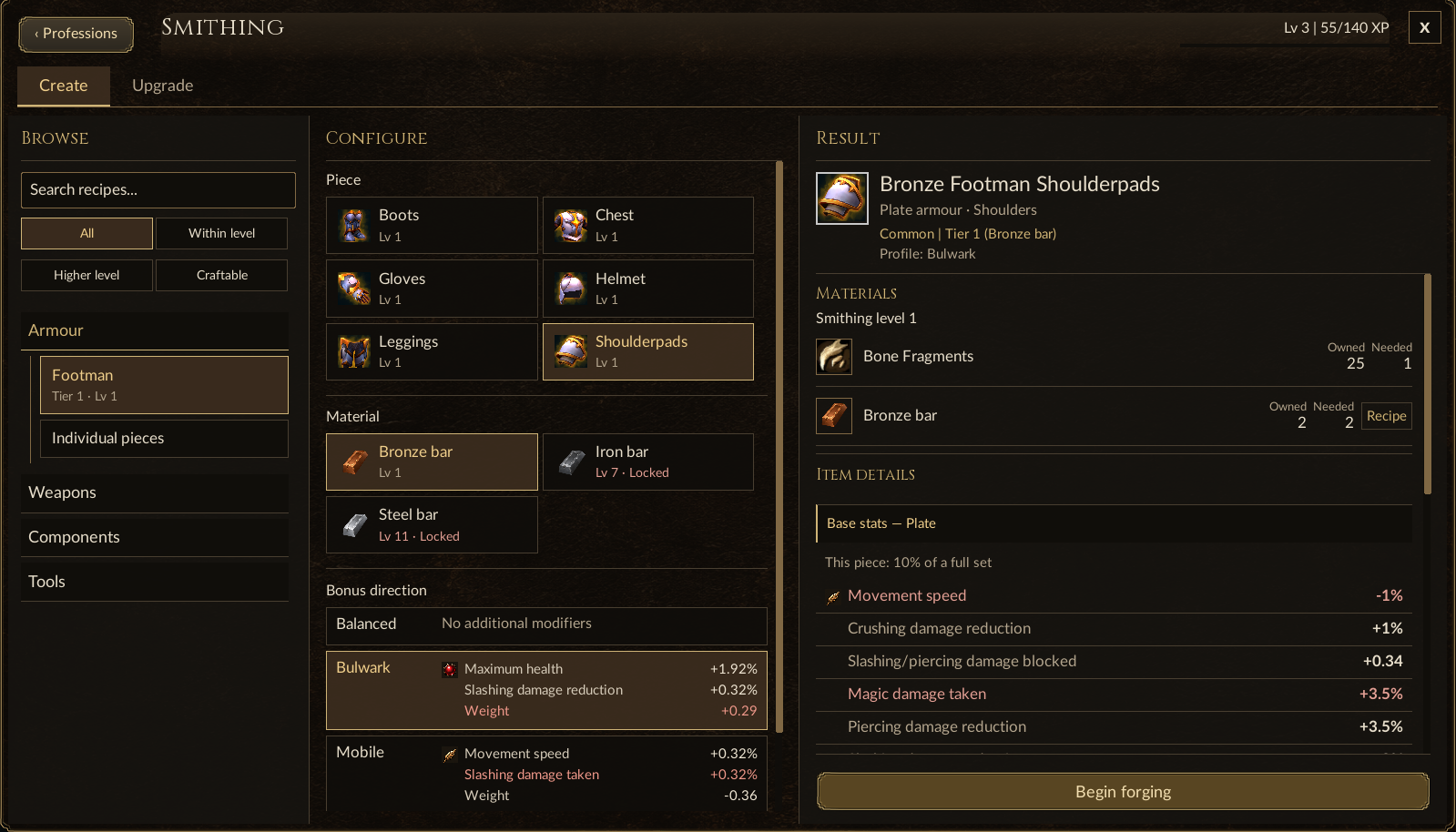
I like the idea that two players can choose the same armour set and still make different decisions at the workbench. One might want to lean further into surviving hits; another might value being lighter and quicker. The model gives the item its identity, while the crafting direction lets you tune it towards your priorities.
This also gives bonuses a cost. A choice becomes more interesting when improving one quality asks you to accept a compromise elsewhere.
The same thinking applies to magical equipment
Carpentry gives another example. The Staff of the Novice Mage can be crafted towards Casting, Potency or Recovery.
In the current preview, Casting favours cast speed at the expense of spell-damage scaling. Potency moves the trade-off in the other direction. Recovery focuses on magic regeneration.
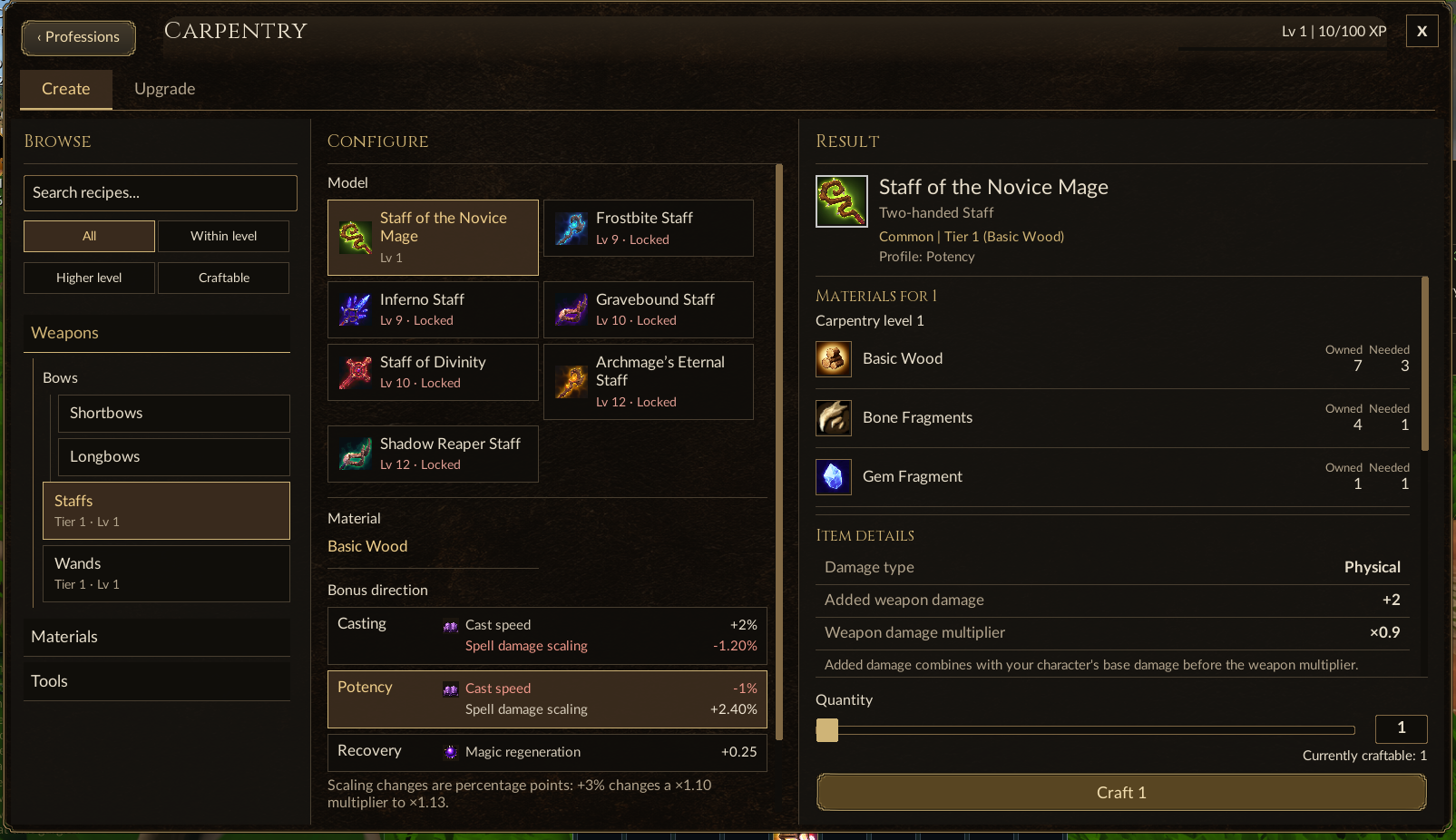
The exact numbers will change. What I want to keep is the decision: do you value speed, stronger spells, or sustaining your magic over time? It gives crafting a direct connection to how you intend to use the equipment.
Tiers, upgrades and keeping a favourite set
I have also split armour and weapon sets into tiers. The goal is to let sets move up through upgrades so they can remain useful later, rather than every step in progression forcing you to abandon the equipment you like.
The Bronze Footman set is an early example. Above, you can see it at +0; below is the current +2 visual experiment.
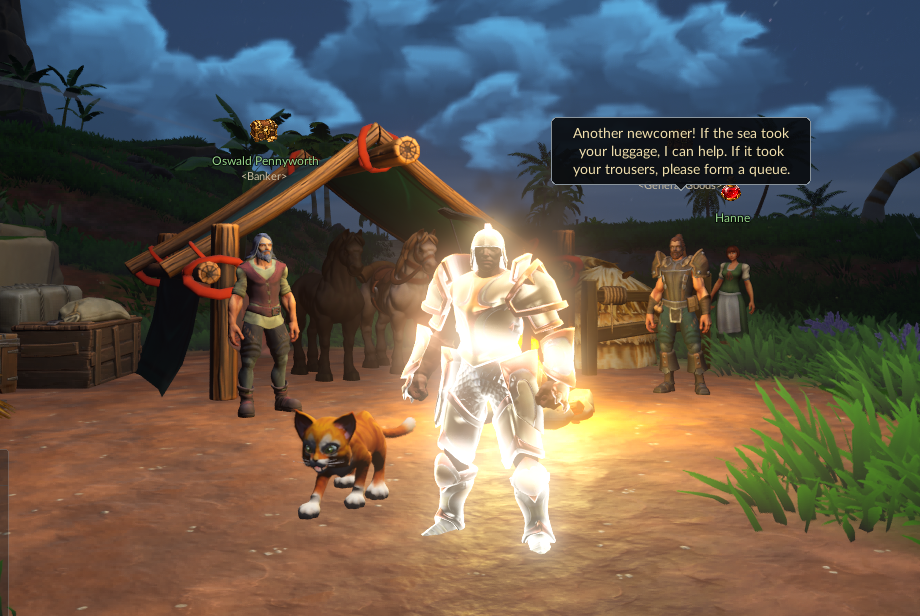
I have always liked seeing equipment become a little more impressive as you invest in it. This version might be a bit too enthusiastic! The visual intensity needs work, and these two shots show different locations and lighting, so they are a first look rather than a controlled comparison.
There is also a gameplay question here. I want Aarkun’s dark nights to matter, including the possibility of players using shadows to conceal themselves and set up an ambush. A character glowing like a small lighthouse could have a rather different evening.
One possibility is making the shiny part optional, so upgrading your equipment does not automatically mean giving up a darker appearance. That is still an idea to explore, rather than a confirmed setting.
Another armour fact: mail did not simply disappear when plate arrived. It was used to cover awkward gaps, including armpits and the crooks of elbows, where flexibility was valuable. The Met’s notes on mail worn with plate
A second crafting dimension: elements
Bonus directions are the first dynamic part. Later, I want to add another dimension around elements and enchantment-style effects.
Possible examples include additional fire resistance on equipment, or a chance for a weapon to deal fire damage. These are ideas for a future layer; they are not available through the crafting choices shown here.
That would give us another way to think about the same item: its base weapon or armour category, the priorities chosen during crafting, its progression through upgrades, and eventually an elemental quality. The challenge will be keeping those choices understandable and useful without making every craft feel like filling in a spreadsheet.
What I am looking for next
The immediate work is tuning the bonuses and their trade-offs, checking how the equipment categories feel in combat, and finding the right visual treatment for upgrades. The direction is taking shape, but the numbers and the shine both need room to change.
For me, the most satisfying outcome would be a player recognising an item as their piece of equipment: chosen for a reason, crafted around their priorities, and worth improving over time.
Would you lean towards a Bulwark or Mobile craft? And would you keep the upgrade glow on, or save it for somewhere with fewer people hiding in the bushes? Come share your thoughts in the Aarkun Discord.